
Learning English while driving, with a tutor that feels like a friend
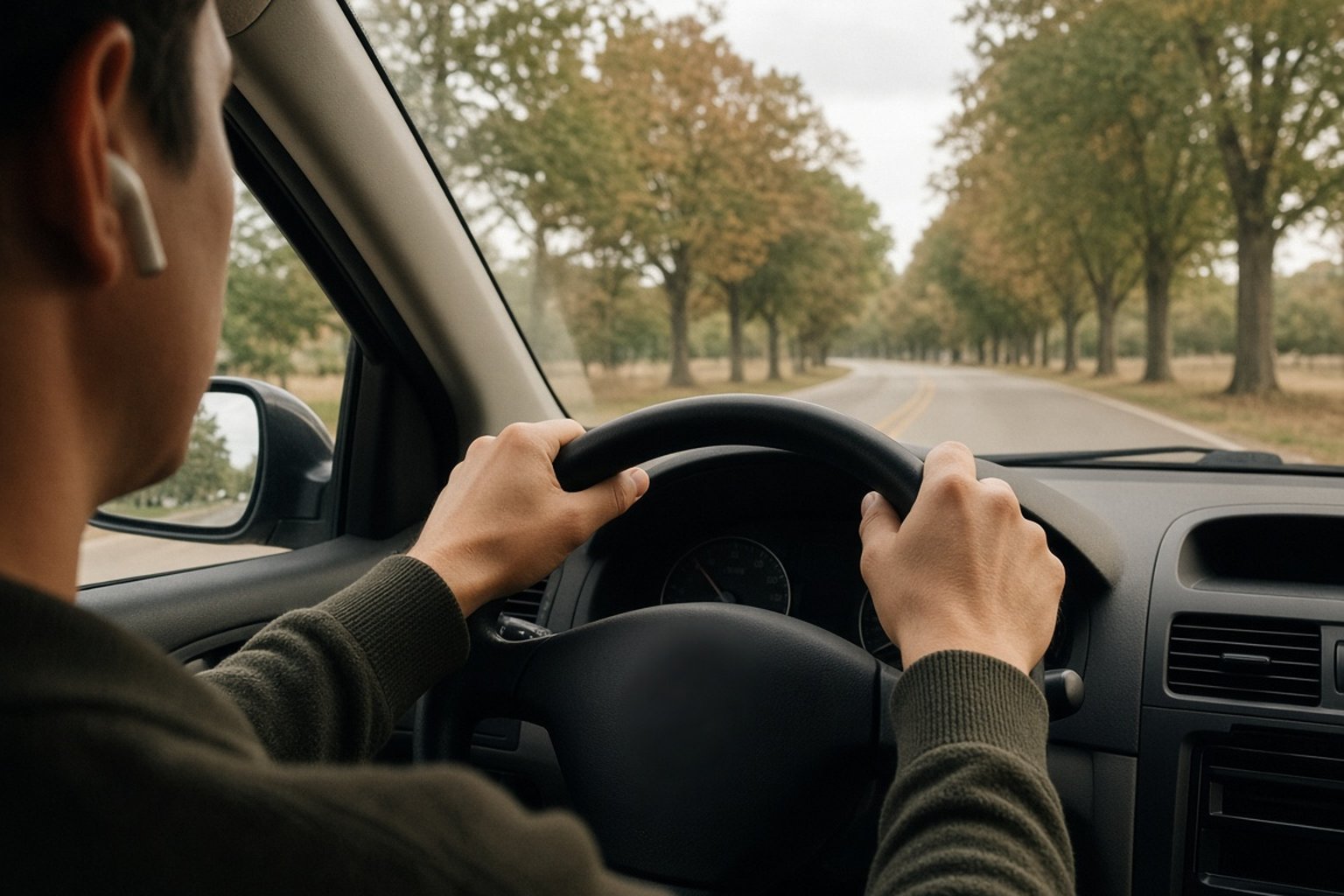
Iván O. is an English learner from Colombia. He had already tried other language subscriptions and other AI tutors. What he wanted was not another app that felt like a class he had to sit down for. He wanted practice that could live inside the day he already had, including time in the car.
He agreed to be quoted. Iván was invited to ISSEN's creator program.
In a conversation about how he uses it, he described opening ISSEN hands-free while driving, and he described the feeling as talking with a friend. Those are paraphrases of what he said, not lines from an email. The written lines below are his.
What he wrote in January 2026
"He descargado y adquirido otras suscripciones y ninguna se compara con el contenido que ofrecen." In English: "I've downloaded and paid for other subscriptions and none compares to the content you offer."
"Un ambiente completamente inmersivo que se adapte a nuestro estilo de vida." In English: "a fully immersive environment that adapts to our lifestyle."
"El hecho de que aprenda de tu vida y lo incluya en tu speaking está a otro nivel." In English: "The fact that it learns about your life and includes it in your speaking is next level."
"Las lecciones de gramática, los role plays, los ejercicios de shadowing... ¡todo es increíble!" In English: the grammar lessons, the role plays, the shadowing exercises, all of it is incredible.
The stored English conversations on his account add up to about 5 hours, across 26 sessions from June 2025 through October 2026. That is the record on the account. It is not a guess.
The State of Speaking Practice report, for 20 August through 18 November 2026, puts the median conversation at 4.3 minutes. A few minutes of talk is a shape that can sit inside a drive. A lesson you have to watch is not.
Two other learners used the same idea, a lot of speaking fitted to a real life, in different ways. Pamela W. left ChatGPT because it forgot her progress. Pedro P. reached his French goal and graduated from the app.
Why the car only works if you do not look
Hands-free means voice only.
- Eyes on the road. Do not read a transcript, a correction, or a grammar note while the car is moving.
- Hands on the wheel. Do not tap through a lesson, change a setting, or type a word you want to save.
- Keep the task simple. An open conversation is the piece that fits a drive. A chart, a written exercise, or a long correction is for when you are parked.
- If you miss something and need to see it, pull over. Then look.
- Stop the session when traffic needs your full attention. A short conversation you can leave is safer than one you feel you have to finish.
The friend-like part he described is the conversation, not the screen. The screen can wait.
Memory, and why a generic tutor felt thin
He had paid for other tools. His complaint was not that they had no English in them. It was that none of them compared with content that fit his life, and that a tutor which learns about your life and brings it into speaking practice felt like a different category.
That is a real product difference. A general chatbot can role-play if you explain your life again at the start of the chat. A speaking tutor built for study can keep details from earlier conversations and use them the next time you talk. You should not have to reintroduce yourself to get a practice that sounds like yours. Pamela W. hit the same wall with ChatGPT: the progress was not saved. Iván's version of that point is personal rather than curricular. The tutor knew enough about him to put it into the speaking.
Grammar lessons and role plays are the structured half. The life details are what make the role play feel like a person, which is the companion feeling he was missing elsewhere.
Shadowing, and when not to do it
Shadowing is repeating speech just after you hear it, staying a fraction behind the speaker and matching the sound. You are not reading a script first. You are copying the voice in real time. Hamada's review of shadowing in English teaching describes it as a way to train listening and the sound of speech together, and finds it useful across proficiency levels when the material is not far above the learner (Hamada, 2016). Foote and McDonough had learners shadow with mobile audio and reported gains in pronunciation ratings (Foote and McDonough, 2017).
Iván listed shadowing with the grammar lessons and the role plays, and called the set incredible. The safe split is simple. In the car, stay with conversation you can do by ear. Save shadowing that needs you to follow a line on a screen for when the car is parked. Audio-only repetition is still shadowing. Reading the line while you drive is not worth it.
What to copy
Use the drive for voice, and only for voice. A few minutes of talk matches the length of a typical ISSEN conversation, and it matches a stretch of road better than a video lesson.
Let the tutor use what it already knows about your life, instead of rebuilding a persona in a blank chat. That is the "next level" line in his January note.
Keep the parts that need your eyes, shadowing on a transcript, a grammar note, a saved word, for when you have stopped. The car is for speaking. The parked minute is for looking.
Sources
Foote, J. A., and McDonough, K. (2017). Using shadowing with mobile technology to improve L2 pronunciation. Journal of Second Language Pronunciation, 3(1), 34-56.
Hamada, Y. (2016). Shadowing: Who benefits and how? Uncovering a booming EFL teaching technique for listening comprehension. Language Teaching Research, 20(1), 35-52.